
Property Tax in Hong Kong: How It Is Calculated and How It Interacts with Profits Tax
In brief
•Property tax is a tax on rental income from land and buildings in Hong Kong. This guide explains who is liable, how the net assessable value and the 15% charge are worked out, how to report and pay, and how property tax interacts with profits tax for companies and with personal assessment for individuals under the Inland Revenue Ordinance (Cap. 112).
Property Tax in Hong Kong
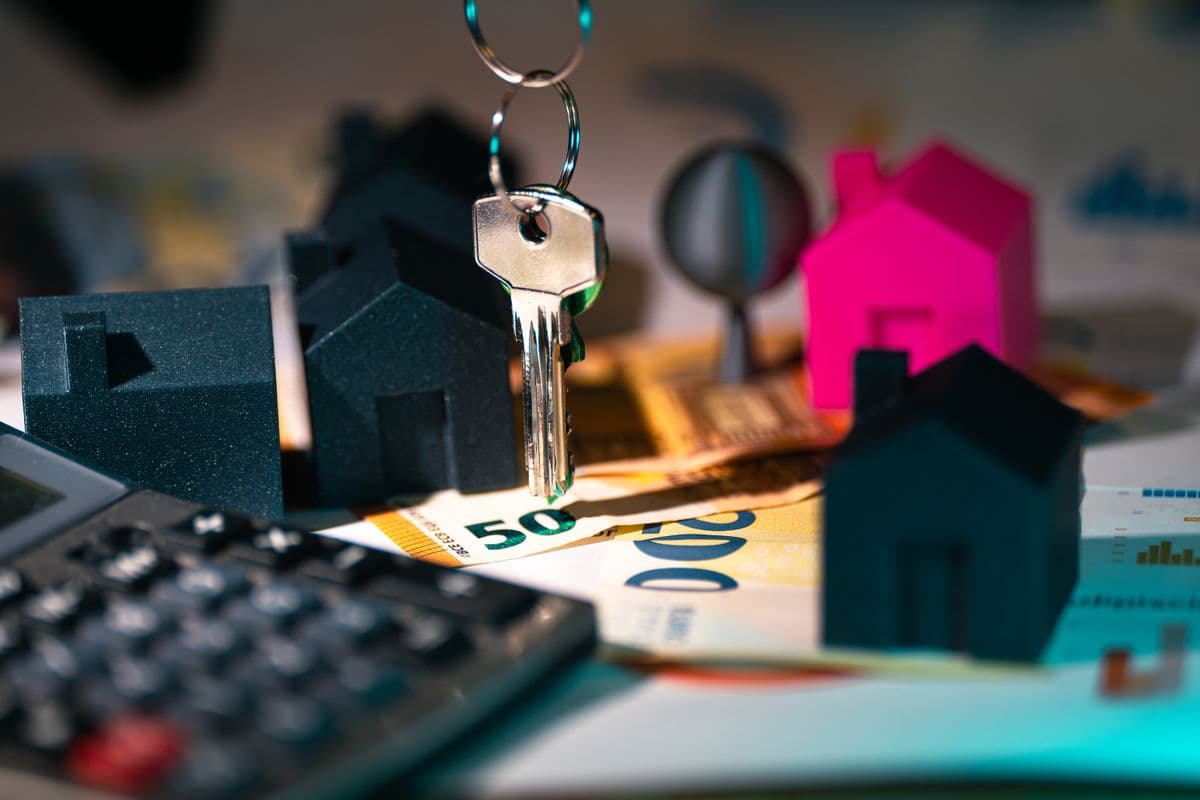
Property tax is one of Hong Kong's three direct taxes, alongside salaries tax and profits tax. It is charged under section 5(1) of the Inland Revenue Ordinance (Cap. 112) on the owners of land or buildings in Hong Kong who let their property out for rent or other consideration. The tax is assessed for each year of assessment, which runs from 1 April to 31 March, at the standard rate — currently 15%. Importantly, property tax is charged not on the gross rent received but on the net assessable value, a smaller figure arrived at after specific statutory deductions.
What Is Property Tax?
How Property Tax Is Calculated
Step 1: Determine the Assessable Value
Start with the assessable value — the rent and related charges receivable for the year, less any rent that has genuinely become irrecoverable. Assessable value is broader than the monthly rent: it also captures licence fees, service charges and management fees paid to the owner, owner's expenses borne by the tenant, and lump-sum premiums spread over the lease term.
Step 2: Deduct Rates and the 20% Allowance
From the assessable value, deduct the rates paid by the owner (only where the owner, rather than the tenant, actually pays them). Then deduct a 20% statutory allowance for repairs and outgoings, which the Inland Revenue Department grants automatically. The result is the net assessable value (NAV).
Step 3: Apply the 15% Standard Rate
Property tax is 15% of the net assessable value. This standard rate has applied from the year of assessment 2008/09 onwards. Because the 20% allowance is given automatically, the effective rate on assessable value (after rates) works out to 12%.
Worked Example
Take a flat let for HK$10,000 a month where the tenant pays the rates:
| Item | Amount |
|---|---|
| Annual rental income (HK$10,000 × 12) | HK$120,000 |
| Less: 20% statutory allowance | (HK$24,000) |
| Net assessable value (NAV) | HK$96,000 |
| Property tax at 15% | HK$14,400 |
What Counts as Rental Income — and What You Cannot Deduct
The assessable value includes more than the basic rent. Owners must report:
•Rent and any licence fees for the use of the premises.
•Service charges and management fees that are paid to the owner.
•Owner's expenses — such as rates or repairs — that the tenant has agreed to bear.
•Lump-sum premiums, spread into equal monthly instalments over the lease term or three years, whichever is shorter.
•Rent previously written off as irrecoverable but later recovered, which is taxed as income in the year of recovery.
Expenses You Cannot Claim Separately
The 20% allowance is a fixed deduction given in lieu of actual outgoings, so you cannot also claim the real cost of those outgoings. Government rent, building management fees, decoration and repair expenses are not separately deductible. Most importantly, mortgage loan interest is not deductible under property tax at all — a point that drives the decision on whether to elect personal assessment.
Who Pays and How to Report
Sole Owners (Individuals)
An individual who owns a property alone reports the rental income in the Tax Return — Individuals (BIR60), rather than on a separate property tax return.
Jointly Owned or Co-owned Property
Where individuals own a property jointly or in common, the rent is reported on a Property Tax Return for jointly owned property (BIR57). Any one owner may complete and sign the return, but each owner remains individually responsible for reporting and for the tax.
Corporations and Bodies of Persons
Where the owner is a corporation or a body of persons, the Property Tax Return BIR58 is used to report the rental income.
Notifying Chargeability and Keeping Records
If you have rental income but have not been issued with a return, section 51(2) requires you to notify the Inland Revenue Department in writing that you are chargeable — no later than four months after the end of the year of assessment, that is, by 31 July. Owners should also keep sufficient rent records, such as lease agreements and receipts, for seven years.
Provisional Property Tax
In addition to the final tax for a year, the Department charges provisional property tax as an advance payment estimated on the current year's net assessable value. The provisional tax paid is set off against the final assessment for the same year, with any excess applied to the next year. If the net assessable value is likely to fall substantially, the property has ceased to be let, or ownership has ended, an application can be made to hold over the provisional tax.
Property Tax, Profits Tax, and Personal Assessment
The same rental income can fall within both property tax and profits tax, but Hong Kong's system ensures it is not taxed twice. How the overlap is resolved depends on whether the owner is a company carrying on business or an individual.
Set-Off and Exemption for Businesses
If rental income is included in the profits assessed to profits tax, or the property is occupied by the owner for business purposes, the property tax already paid can be set off against the profits tax assessed. More practically, a corporation carrying on a trade, profession or business in Hong Kong can apply in writing for exemption from property tax under section 5(2)(a) of the Ordinance, so it need not pay property tax up front and then reclaim it. For companies letting property as part of their business, claiming this exemption is usually the cleaner route.
Personal Assessment for Individuals
On its own, property tax is a flat 15% charge with no personal allowances. By electing personal assessment under section 41 — available to an individual aged 18 or over who is ordinarily resident or a temporary resident in Hong Kong — the owner's property income is aggregated with their other income and taxed at progressive rates after personal allowances. For an owner whose total income is modest, this can produce a lower bill than the flat 15%.
Deducting Mortgage Interest
Personal assessment also unlocks a deduction that property tax denies: interest on money borrowed to acquire the let property becomes deductible under section 42. The deduction for each property is capped at that property's net assessable value, and interest relating to any period when the property was not actually let — for example while it was vacant or used as the owner's own home — cannot be claimed.
Because property tax denies mortgage-interest relief, owners who financed a rental property with a loan are often better off electing personal assessment — but it is not automatically beneficial in every case, so the position should be reviewed each year.
Conclusion
Property tax in Hong Kong is straightforward to compute once the net assessable value is understood: gross rent and charges, less irrecoverable rent, less rates paid by the owner, less the automatic 20% allowance, taxed at 15%. The complexity — and the savings — lie in how it dovetails with profits tax for companies, through set-off or the section 5(2)(a) exemption, and with personal assessment for individuals, which unlocks progressive rates and, importantly, mortgage-interest relief. Owners letting property through a company, or individuals carrying a mortgage on a let property, should review which route leaves them better off rather than simply paying the flat charge.
Frequently Asked Questions
Yes. Letting your property for rent makes you chargeable to property tax regardless of who pays the rates or management fees. If the tenant pays expenses that are properly the owner's, those amounts are added to your assessable value. Only rates actually paid by the owner are deductible; the 20% statutory allowance covers other outgoings automatically.
Not under property tax — mortgage interest is never deductible in computing the net assessable value. However, if you elect personal assessment, interest on money borrowed to acquire the let property becomes deductible, capped at the net assessable value of that property and limited to periods when it was actually let. This is often the main reason a financed landlord elects personal assessment.
The same income is not taxed twice. If the rental income forms part of profits chargeable to profits tax, the property tax paid can be set off against the profits tax assessed. A company carrying on business in Hong Kong can also apply in writing for exemption from property tax under section 5(2)(a), so the rent is dealt with under profits tax only. Claiming the exemption is usually cleaner than paying and reclaiming.
For jointly owned property, the rent is reported on Property Tax Return BIR57. Any one of the owners may complete and sign it, so only one return is filed, but each joint owner remains individually responsible for reporting the income and paying the tax.
You are still chargeable. Section 51(2) of the Inland Revenue Ordinance requires you to notify the Department in writing that you are liable to property tax, no later than four months after the end of the year of assessment (by 31 July). Failing to notify can lead to penalties, so it is best to write to the Department or contact a professional adviser promptly.
This material has been prepared for general informational purposes only and is not intended to be relied upon as professional advice. Please consult a qualified professional for advice specific to your situation. For personalised assistance, please contact Olive & Vine.
